
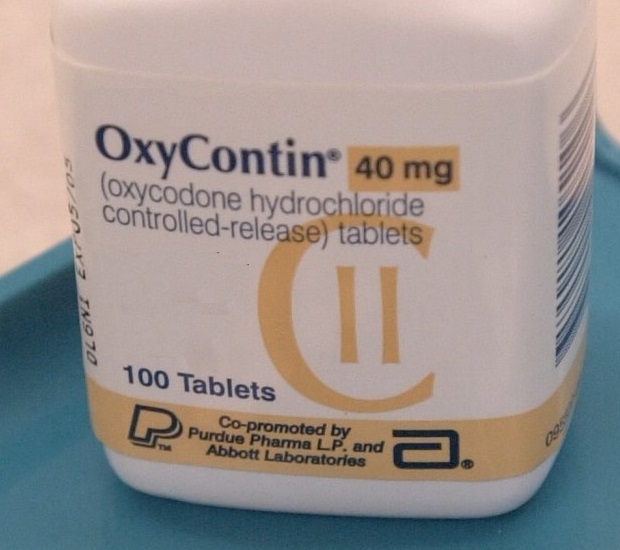
OxyContin, the brand name for the opioid analgesic oxycodone hydrochloride in its controlled-release (extended-release) formulation, has been a pivotal, yet profoundly controversial, drug in modern medicine. Approved in 1995 for managing moderate-to-severe pain, it revolutionized pain treatment but simultaneously fueled the start of the devastating opioid crisis due to its high potential for misuse and addiction.
This blog post delves into what OxyContin is, its use in pain management, and a balanced look at its benefits, risks, and frequently asked questions.
https://www.mapmyrun.com/routes/view/6653344546/
https://www.mapmyrun.com/routes/view/6653344436/
https://www.mapmyrun.com/routes/view/6653344439/
https://www.mapmyrun.com/routes/view/6653344444/
https://www.mapmyrun.com/routes/view/6653344447/
https://www.mapmyrun.com/routes/view/6653344451/
https://www.mapmyrun.com/routes/view/6653344453/
https://www.mapmyrun.com/routes/view/6653344456/
https://www.mapmyrun.com/routes/view/6653344461/
https://www.mapmyrun.com/routes/view/6653344463/
https://www.mapmyrun.com/routes/view/6653344469/
https://www.mapmyrun.com/routes/view/6653344473/
https://www.mapmyrun.com/routes/view/6653344475/
https://www.mapmyrun.com/routes/view/6653344477/
https://www.mapmyrun.com/routes/view/6653344485/
https://www.mapmyrun.com/routes/view/6653344487/
https://www.mapmyrun.com/routes/view/6653344489/
https://www.mapmyrun.com/routes/view/6653344491/
https://www.mapmyrun.com/routes/view/6653344494/
https://www.mapmyrun.com/routes/view/6653344419/
https://www.mapmyrun.com/routes/view/6653344500/
https://www.mapmyrun.com/routes/view/6653344505/
https://www.mapmyrun.com/routes/view/6653344508/
https://www.mapmyrun.com/routes/view/6653344513/
What is OxyContin?
OxyContin belongs to a class of drugs known as opioid analgesics. Its active ingredient, oxycodone, is a Schedule II controlled substance, indicating that it has a currently accepted medical use but a high potential for abuse, which may lead to severe psychological or physical dependence.
The key feature of the OxyContin brand formulation is its controlled-release mechanism. Designed to be swallowed whole, this mechanism slowly releases the oxycodone over approximately 12 hours. This sustained release is intended to provide long-lasting pain relief, especially for chronic or cancer-related pain that requires around-the-clock analgesic treatment.
Mechanism of Action
Oxycodone works by binding to opioid receptors (primarily the $\mu$-opioid receptor, or MOR) in the brain, spinal cord, and gastrointestinal tract. By activating these receptors, it interrupts the way nerves signal pain between the body and the brain, reducing the feeling of pain and often producing feelings of euphoria and relaxation.
⚕️ Pros and Cons of OxyContin
When used strictly as prescribed and under medical supervision, OxyContin can be a vital tool. However, its significant risks must always be considered.
👍 Pros (Benefits in Legitimate Medical Use)
- Highly Effective Pain Relief: As a strong opioid, it is extremely effective in managing moderate-to-severe chronic pain, especially in cases where non-opioid treatments have failed (e.g., cancer pain, severe injuries, or palliative care).
- Long-Lasting Formulation: The controlled-release mechanism allows for dosing every 12 hours, which provides continuous pain control and improves patient quality of life by reducing the frequency of pill taking.
- Improvement in Quality of Life: For patients with debilitating chronic pain, effective pain management can significantly improve physical function, sleep, and overall well-being.
- Superior for Specific Pain Types: Clinical experience suggests that oxycodone can be more potent than other common opioids, like morphine, for certain types of pain, such as visceral (organ) pain.
👎 Cons (Risks and Side Effects)
- High Risk of Dependence and Addiction (Opioid Use Disorder): This is the most significant drawback. Prolonged use can lead to physical dependence, where the body needs the drug to function normally. Addiction (or Opioid Use Disorder) is a separate condition involving compulsive use despite harmful consequences.
- Risk of Fatal Respiratory Depression (Overdose): High doses or misuse (especially crushing the controlled-release tablet to bypass the mechanism) can lead to a sudden, life-threatening slowdown or cessation of breathing.
- Severe Side Effects: Common side effects include constipation (often requiring additional medication), nausea, vomiting, dizziness, and drowsiness. Over time, tolerance may develop, requiring higher doses for the same effect.
- Opioid-Induced Hyperalgesia: Paradoxically, long-term opioid use can sometimes increase sensitivity to pain, making pre-existing pain worse or causing pain in new areas.
- Withdrawal Symptoms: Stopping the medication suddenly after prolonged use can result in severe withdrawal symptoms, including muscle and bone pain, vomiting, diarrhea, restlessness, and anxiety. Tapering the dose under medical guidance is essential.
❓ Frequently Asked Questions (FAQs)
Q1: What is the difference between OxyContin and oxycodone?
A: Oxycodone is the active drug ingredient. OxyContin is a specific brand name for the controlled-release (long-acting) formulation of oxycodone. There are also immediate-release (short-acting) oxycodone products (like OxyNorm or Roxicodone).
Q2: Is OxyContin the same as heroin?
A: No, but they are related. Both are opioids and produce similar effects by acting on the brain’s opioid receptors. Heroin is an illegal opioid derived from morphine. Oxycodone (OxyContin) is a semi-synthetic opioid prescribed for pain. However, due to the intense euphoric effect of misused OxyContin, it gained the street nickname “Hillbilly Heroin” and has been a major gateway drug to heroin use for many individuals.
Q3: How should I take OxyContin safely?
A: Always take it exactly as your doctor prescribes.
- Swallow the tablet whole. Never crush, chew, break, or dissolve the tablet, as this destroys the controlled-release mechanism and can release a dangerously high dose all at once, leading to overdose and death.
- Do not mix it with alcohol, sedatives, tranquilizers, or other central nervous system depressants.
- Keep the medication secured and out of reach of children or others who might misuse it.
Q4: How long does it take to work, and how long does it last?
A: As a controlled-release tablet, it takes longer to feel the full pain relief (often 1 to 2 days to reach steady-state plasma concentration), but the pain-relieving effect is designed to last for approximately 12 hours. It is not meant for “as needed” or sudden, sharp pain.
Q5: What are the signs of an overdose?
A: An opioid overdose is a medical emergency. Signs include:
- Slow, shallow, or labored breathing (or no breathing).
- Excessive sleepiness, unresponsiveness, or coma.
- Pinpoint pupils.
- Cold, clammy skin.
- Limp or weak muscles.
If you suspect an overdose, call emergency services immediately and administer naloxone (Narcan) if available.
🛑 The Legacy of Controversy and the Opioid Crisis
It is impossible to discuss OxyContin without acknowledging its role in the global opioid epidemic, particularly in North America. The manufacturer, Purdue Pharma, was heavily criticized and faced numerous lawsuits for aggressive marketing practices that allegedly downplayed the drug’s addiction risks, leading to widespread over-prescription and subsequent misuse, dependence, and addiction. The long-term societal and public health costs of this crisis are immeasurable.
In response, the formulation of OxyContin has been modified over the years to be more resistant to crushing, chewing, or dissolving, aiming to deter abuse. Additionally, doctors are now advised to use opioids more cautiously, particularly for chronic, non-cancer pain, favoring other pain management strategies.